The Victoria: follow the current programme
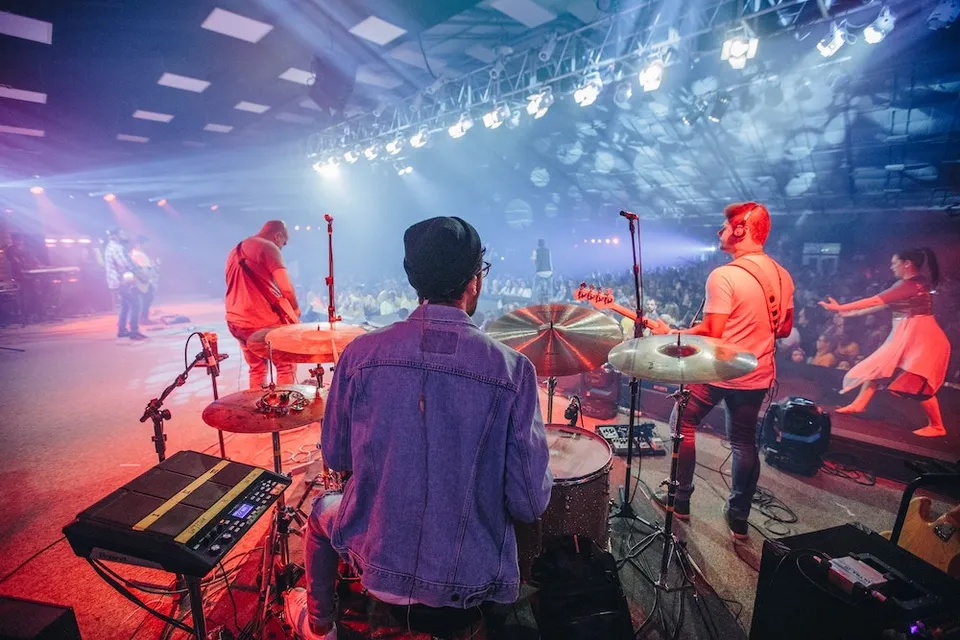
The Victoria, also known as The Vic, maintains its own gigs and events website. Start there when choosing a performance rather than relying on an old calendar or an undated listing. A smaller live music setting can make it easier to notice how a band works together, especially the signals musicians give before an entrance or ending.
You do not have to attend a piano recital for the experience to help your playing. Listen for the difference between the bass line, the melody and the chordal accompaniment. Notice when an instrument leaves space for a singer, and how the group changes intensity without necessarily playing faster.
Wyvern Theatre: explore more than one genre
The official Swindon Theatres programme lists events for the Wyvern Theatre and the Arts Centre. Check the venue named on the individual event before booking: these are different spaces. Music, musical theatre and other performances can offer contrasting ways to hear a piano or keyboard within a larger arrangement.
A seated theatre visit can be a good opportunity to follow a longer musical arc. Listen to how the opening establishes a mood and how quieter sections prepare for a stronger return. You might also notice the relationship between the stage action and accompaniment, particularly when a musician needs to follow speech, movement or a singer’s breathing.
Level III: an older name to verify
Level III appeared in our earlier guide as a Commercial Road music venue. Its old website could not be verified during this update. A promoter’s 2023 event listing used the name Underground and identified it as formerly Level III. That historical listing does not establish a current programme or opening status.
If you encounter this name when researching Swindon gigs, check the event organiser’s current information and the actual venue address before buying a ticket or travelling. We have kept the reference to explain the older listing, rather than treating an old directory entry as proof that a show is taking place.
Choose a performance that interests you
Begin with music you are curious about. A familiar style makes it easier to listen closely because you already have a sense of the sound and structure. On a later visit, try something different: a singer with accompaniment, a jazz ensemble or a staged production may reveal skills you had not thought about practising.
Read the event description carefully. Check the running time, seating or standing arrangements and any age restrictions, especially for a child’s first visit. Ask the venue about access requirements directly. The suitability of one event does not automatically tell you how another event in the same building will operate.
Give yourself one listening question
Trying to analyse every note can take the enjoyment out of a concert. Choose one question instead: how does the accompaniment change in a chorus, how does a soloist signal the next phrase, or how does the ensemble finish together? Let the rest of the performance simply be music you enjoy.
Afterwards, write a few sentences about what you noticed. Describe the sound in your own words before looking for technical labels. For example, “the left hand became lighter under the voice” is a useful observation even if you cannot yet name every chord. Bring that observation into your next practice session.
Watch how performers recover
Live performances contain decisions that recordings can hide. A musician may adjust to a different tempo, repeat a section or continue smoothly after an uncertain moment. Notice the value of maintaining the pulse and listening to the other performers. Recovery is a skill that can be practised, rather than something reserved for experienced players.
At home, choose a short piece and play it through without restarting at every hesitation. Afterwards, select one place to improve slowly. Keeping a whole performance moving and working carefully on a difficult bar are both useful activities; give each its own time.
Preparing for your own first appearance
If watching live music makes you want to perform, begin with a setting that matches your experience. A small informal audience can be enough. Ask an organiser what instrument is available, whether you need to bring a keyboard and what time is allowed for setting up. Do not assume a venue supplies a piano because it hosts music.
Rehearse your entrance, starting position and ending as well as the notes. If you will accompany someone, agree the key and introduction beforehand. A short, comfortable selection usually provides a better first experience than a difficult piece you can only sometimes get through.
Turn the visit into something practical
Choose one idea from the evening and try a small version at the keyboard. You could shape a repeated phrase differently, practise a quieter accompaniment or plan a clearer ending. Keep the task manageable so that inspiration leads to action.
For more local starting points, explore our Swindon musicians guide. If you would like help building the skills you hear in performances, read about piano lessons and bring along a song or musical question that interests you.